
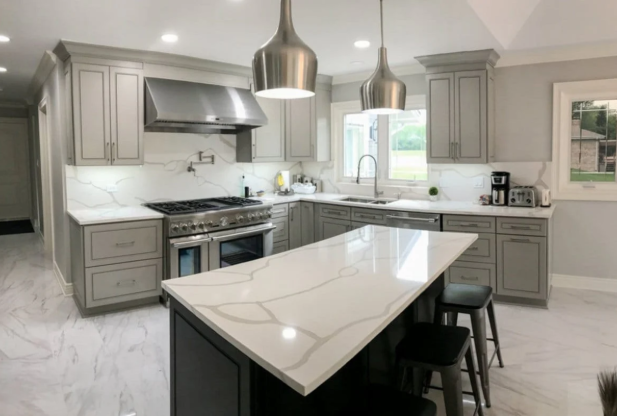
Kitchen ventilation systems are an essential part of maintaining air quality, especially in homes where frequent cooking produces smoke, grease, and strong odors. Among the various sizes available, the 42 in hood range is commonly used in larger cooking spaces where wider coverage is required for effective airflow management.
At Proline Range Hoods, we often observe that ventilation needs vary depending on kitchen layout, cooking habits, and appliance size. A properly selected range hood helps maintain cleaner air and reduces buildup of airborne particles that can affect indoor comfort over time.
What is a 42 Inch Range Hood?
A 42-inch range hood is a ventilation unit designed to match larger cooktops, typically 36 inches or wider. The extra width allows it to capture smoke and steam more efficiently across a broader cooking surface.
These hoods are installed either under cabinets, mounted on walls, or suspended above kitchen islands depending on the kitchen design. Their main function is to extract or filter airborne grease, heat, and odors produced during cooking.
Why Size Matters in Kitchen Ventilation
Selecting the correct hood size is critical for effective performance. A hood that is too small may fail to capture smoke escaping from the sides of the cooking area, while an oversized unit may not be necessary for smaller cooktops.
In larger kitchens, a 42-inch hood ensures that airflow coverage extends beyond the cooking surface, improving capture efficiency. This is especially important in open kitchen layouts where air circulation plays a key role in maintaining indoor comfort.
Key Features of 42 Inch Range Hoods
Airflow Capacity
Airflow is measured in cubic feet per minute (CFM), which determines how much air the hood can move. Higher CFM ratings are generally suitable for heavy cooking activities such as frying or grilling.
Filtration System
Most range hoods include grease filters that trap oil particles. Some models also use charcoal filters for odor control in ductless systems.
Lighting Integration
Built-in lighting improves visibility over the cooking surface, making food preparation safer and more efficient.
Noise Levels
Larger hoods may produce more noise depending on fan speed and motor type, so noise control is an important consideration in design.
Installation Considerations
Proper installation plays a significant role in performance. The height between the cooktop and hood must be balanced to ensure effective airflow without obstructing cooking activities.
Wall-mounted and island installations require different ducting or filtration approaches. In ducted systems, air is vented outside, while ductless systems recirculate filtered air back into the kitchen.
Types of Kitchen Layouts That Use 42 Inch Hoods
Large Wall-Mounted Kitchens
In traditional kitchen layouts with wide cooking ranges, 42-inch hoods provide full coverage and balanced airflow control.
Open Concept Kitchens
Open kitchens often require stronger ventilation due to air dispersion. Wider hoods help manage smoke and odors more effectively in these environments.
Island Cooking Setups
For island cooktops, hood placement is centered above the cooking area. In these cases, wider hoods ensure better capture from all sides.
Maintenance and Care
Regular maintenance is essential for maintaining performance. Filters should be cleaned periodically to prevent grease buildup, which can reduce airflow efficiency.
Exterior surfaces should also be wiped regularly to maintain hygiene and prevent residue accumulation. Proper maintenance extends the lifespan of the ventilation system and ensures consistent performance.
Importance of Proper Ventilation in Kitchens
Good ventilation contributes to healthier indoor environments by reducing airborne grease, heat, and odors. Without proper airflow, these elements can accumulate and affect both comfort and cleanliness.
Range hoods also help protect kitchen surfaces by reducing grease buildup on cabinets and walls, making cleaning easier over time.
Conclusion
A well-designed ventilation system is essential for maintaining air quality in modern kitchens, especially in larger cooking spaces where airflow demand is higher. The 42 in hood range provides extended coverage that helps manage smoke and odors more effectively in such environments. At Proline Range Hoods, we focus on understanding how kitchen design influences ventilation needs, and we emphasize that range hood solutions should be selected based on practical airflow requirements, with our approach centered on ensuring balanced performance, durability, and functional kitchen air management.