
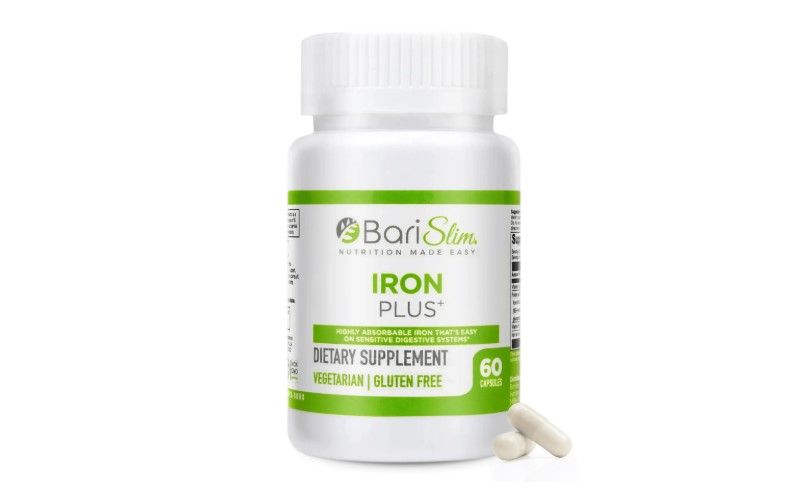
A bariatric supplement plays a critical role in maintaining proper nutrition after weight loss surgeries such as gastric bypass or sleeve gastrectomy. These procedures alter the digestive system, often reducing the body’s ability to absorb essential nutrients, including iron. Since iron is vital for producing hemoglobin and preventing anemia, patients must rely on a high-quality bariatric iron supplement to meet their daily requirements and avoid long-term deficiencies.
Why Iron Deficiency Is Common After Bariatric Surgery?
Iron deficiency is one of the most frequently reported nutritional issues after bariatric procedures. The stomach produces less acid after surgery, which directly affects iron absorption. Additionally, portions of the small intestine where iron is typically absorbed may be bypassed. Reduced food intake and intolerance to iron-rich foods like red meat can further contribute to deficiency. This makes a bariatric iron supplement an essential part of post-surgery care.
Types of Bariatric Iron Supplement Options
Not all iron supplements are created equal, especially for bariatric patients. Common forms include ferrous sulfate, ferrous fumarate, and ferrous gluconate. However, many bariatric-specific formulations use carbonyl iron or heme iron, which are often gentler on the stomach and better absorbed. Some advanced bariatric iron supplement products also include vitamin C, which enhances iron absorption. Choosing the right type depends on individual tolerance, medical advice, and the level of deficiency.
How to Improve Absorption of Bariatric Iron Supplement?
To maximize the benefits of a bariatric iron supplement, proper timing and combination with other nutrients are essential. Taking iron on an empty stomach can improve absorption, although some individuals may need to take it with a small amount of food to reduce gastrointestinal discomfort. Avoid consuming calcium supplements, dairy products, tea, or coffee at the same time, as these can inhibit iron absorption. Pairing a bariatric iron supplement with vitamin C-rich foods or supplements can significantly boost its effectiveness.
Recommended Dosage and Safety Considerations
The recommended dosage of a bariatric iron supplement varies depending on the type of surgery and individual health status. Many healthcare providers suggest between 45 mg to 100 mg of elemental iron daily for bariatric patients. However, excessive iron intake can lead to side effects such as constipation, nausea, and, in rare cases, toxicity. Regular blood tests are crucial to monitor iron levels and adjust supplementation as needed under medical supervision.
Signs You May Need a Bariatric Iron Supplement
Recognizing early symptoms of iron deficiency can prevent more serious health complications. Common signs include fatigue, weakness, pale skin, dizziness, and shortness of breath. Some individuals may also experience brittle nails or hair loss. If these symptoms occur, it is important to consult a healthcare professional and evaluate whether a bariatric iron supplement is required or needs adjustment.
Long-Term Nutritional Strategies for Bariatric Patients
A bariatric iron supplement should be part of a comprehensive nutritional plan. Maintaining a balanced diet that includes iron-rich foods such as lean meats, legumes, and fortified cereals can support overall health. Routine follow-ups with healthcare providers and dietitians help ensure that all nutritional needs are being met. Consistency in supplementation and monitoring is key to avoiding deficiencies and maintaining long-term wellness after bariatric surgery.
Conclusion
A bariatric iron supplement is essential for preventing iron deficiency and supporting overall health after weight loss surgery. Incorporating a complete supplementation plan alongside a gastric bypass multivitamin ensures comprehensive nutritional support for long-term success. By choosing the right type, following proper intake guidelines, and monitoring nutrient levels, patients can significantly improve iron absorption and maintain optimal well-being.